
Healing the
Human-Animal Bond with Empathy
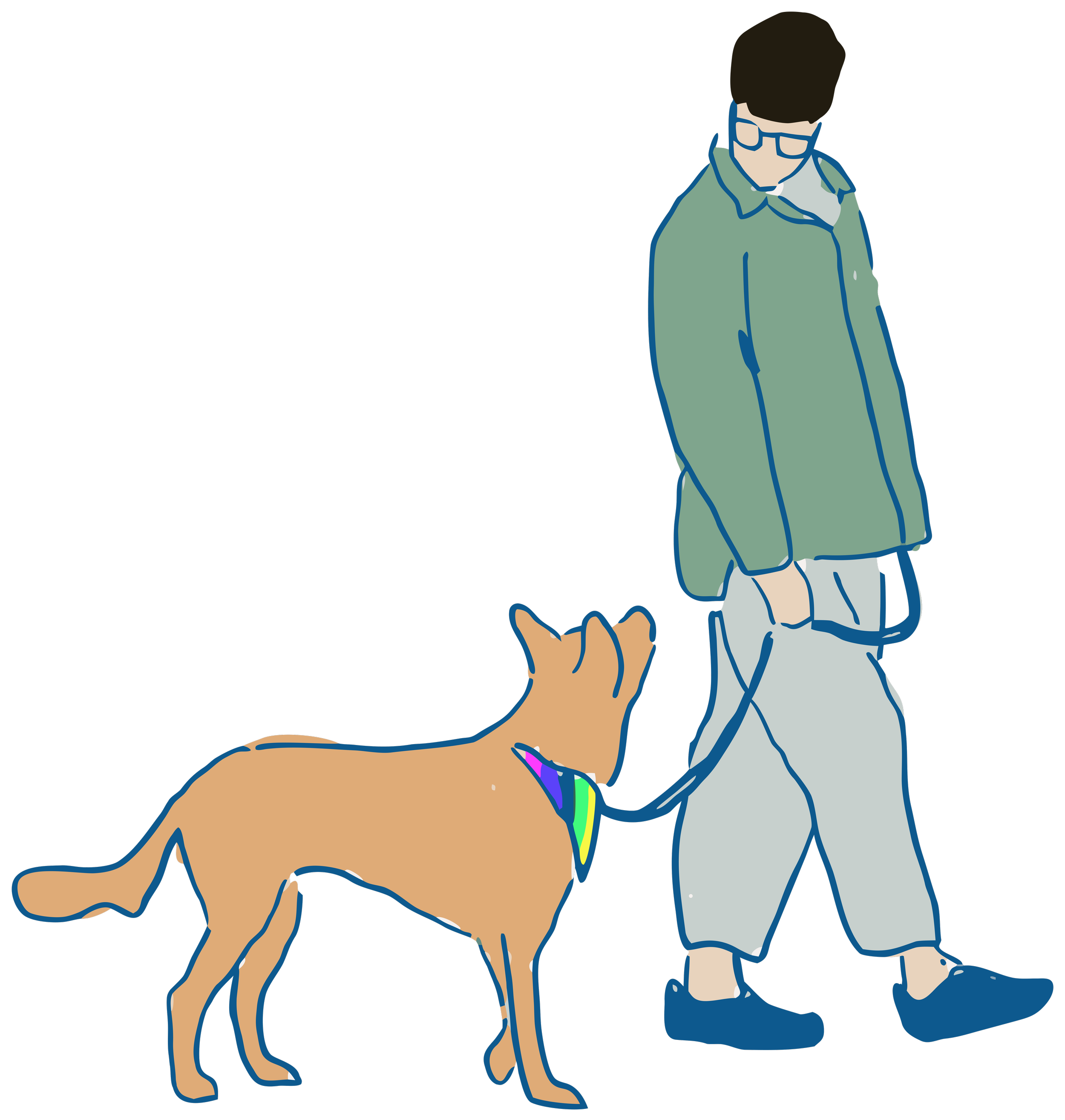
Evidence-based, consent-led behaviour support that honours both you and your dog. Let's create lasting change together.
Healing the Human-Animal bond with empathy
Evidence-based, consent-led behaviour support that honours both you and your dog. Let's create lasting change together.
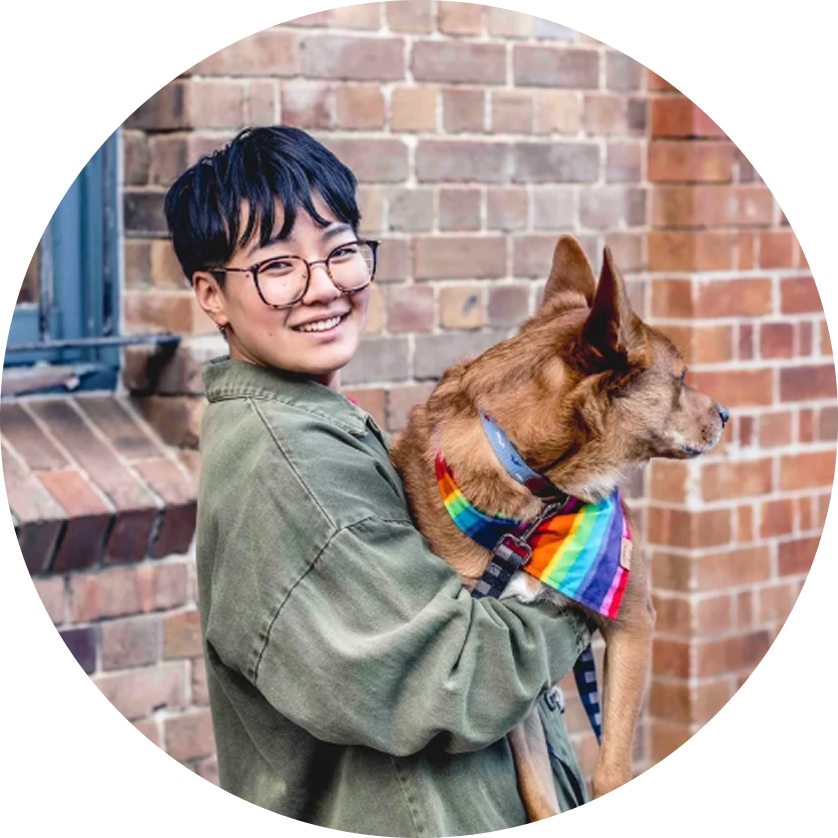
I'm a fear-free animal behaviourist and trainer based in Sydney, who supports dogs experiencing reactivity, anxiety, and stress or pain-driven behavioural challenges. My approach centres welfare, emotional safety, and collaboration, helping families understand the why behind your dog's behaviour and create lasting, humane change.
Meet Rose
At the heart of my work is a simple understanding: behaviour always has a purpose, rooted in underlying emotions and motivations.
My Approach
My process usually follows these steps...
-
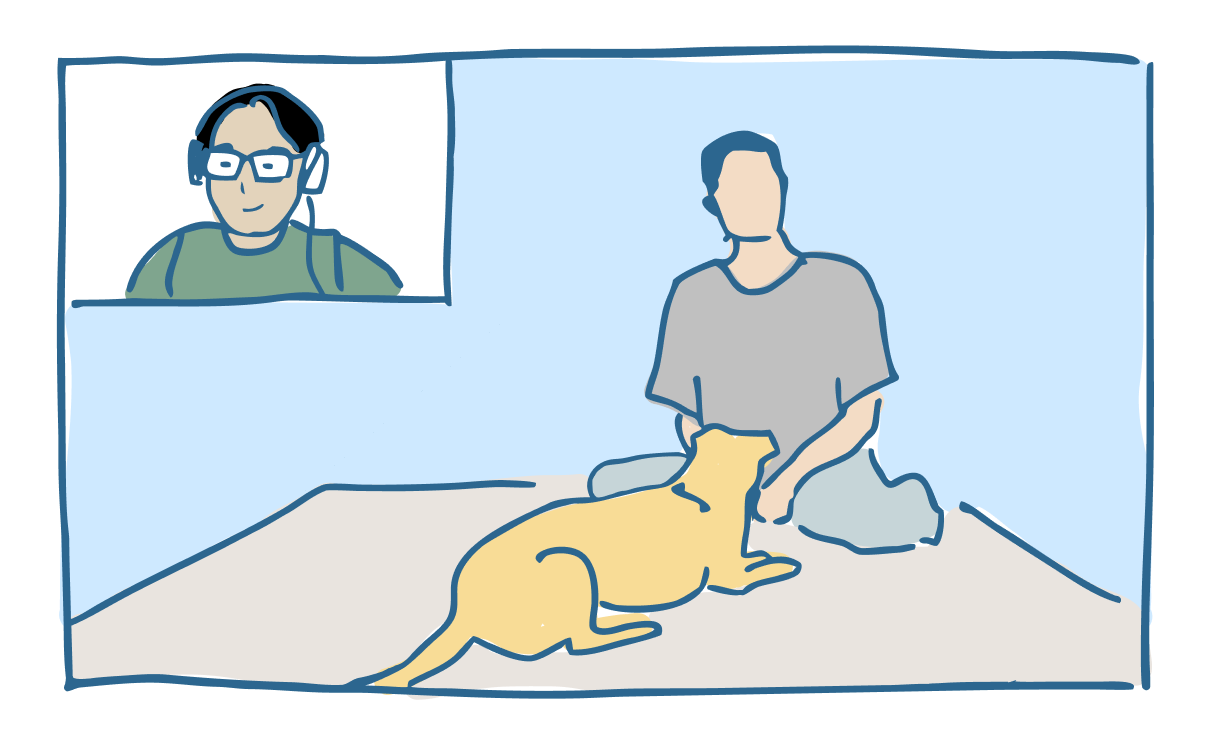
![Hand-drawn illustration of a person sitting on the floor with a yellow dog. Another person seen on a video call in the top left corner window, wearing headphones.]()
1. Discovery Call & Triage
Our discovery call helps me understand your situation, your dog’s behaviour, and your goals so I can decide what type of support is most suitable, and whether a behaviourist is the right fit at this stage.
-
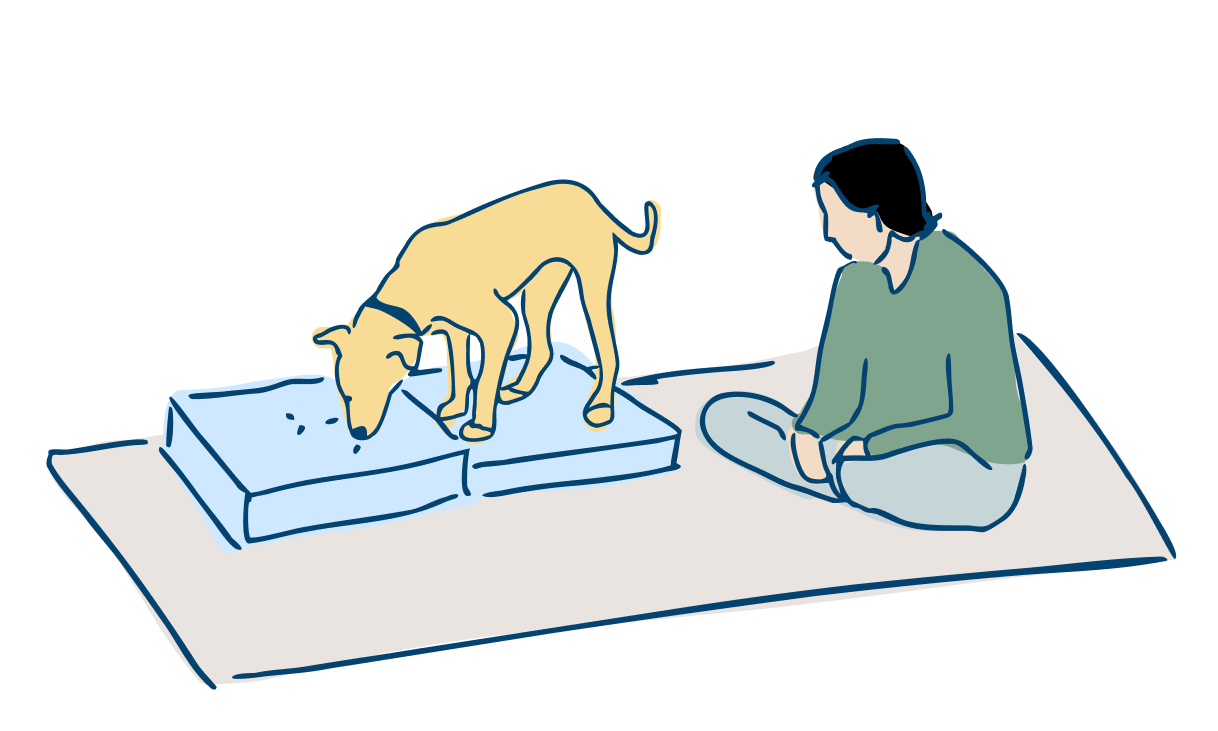
![Hand-drawn illustration of a person sitting cross-legged on the floor, watching a dog standing on a raised platform eating treats.]()
2. Assessment & Plan
I evaluate your dog’s emotional motivations, learning capacity, and, where relevant, the significance of pain or discomfort. We also consider your family’s capacity to implement strategies safely.
-
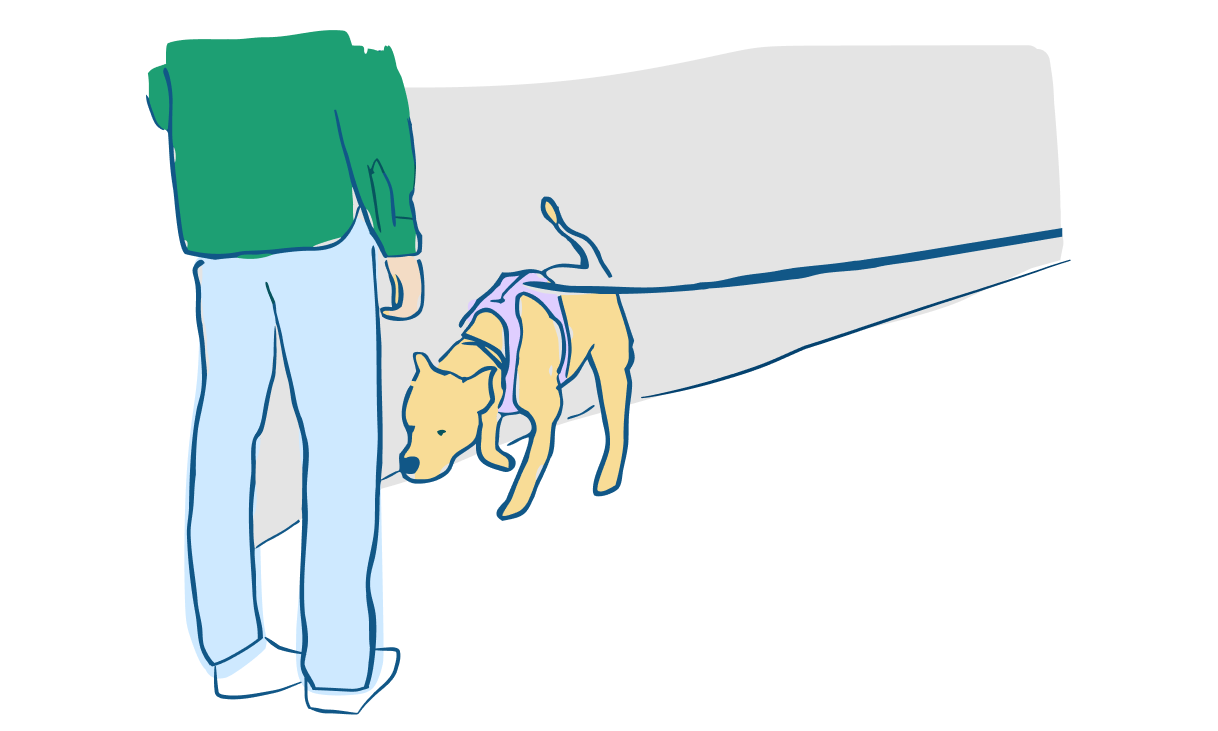
![Hand-drawn illustration of a person standing in front of a beige dog on a leash wearing a purple harness in front of a gray concrete wall.]()
3. Environment Management
Before teaching you and your dog any new behaviours, we focus on reducing triggers, preventing unsafe behaviours, and managing risk in daily life.
-
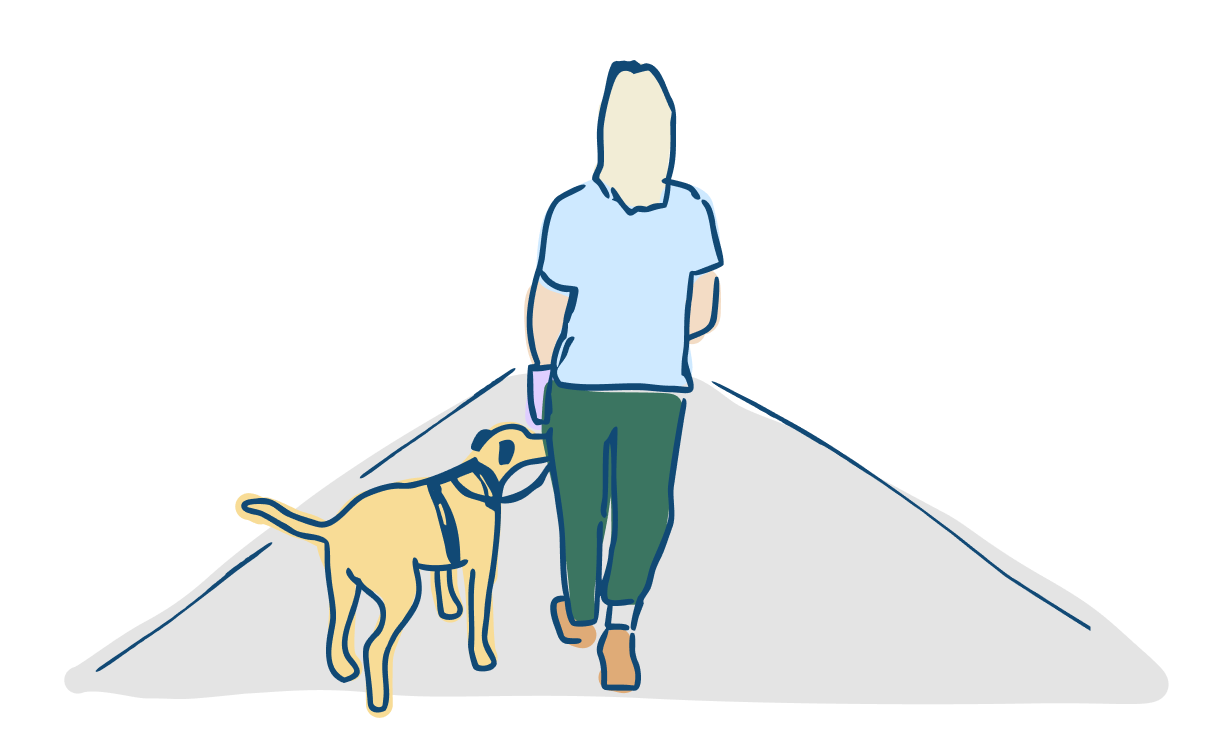
![Hand-drawn illustration of a person walking on a sidewalk with a yellow dog on a leash.]()
4. Behaviour Support & Training
Once safety and emotional regulation are addressed, I’ll begin teaching new behaviours and strategies, always tailored to your dog’s individual needs.
-
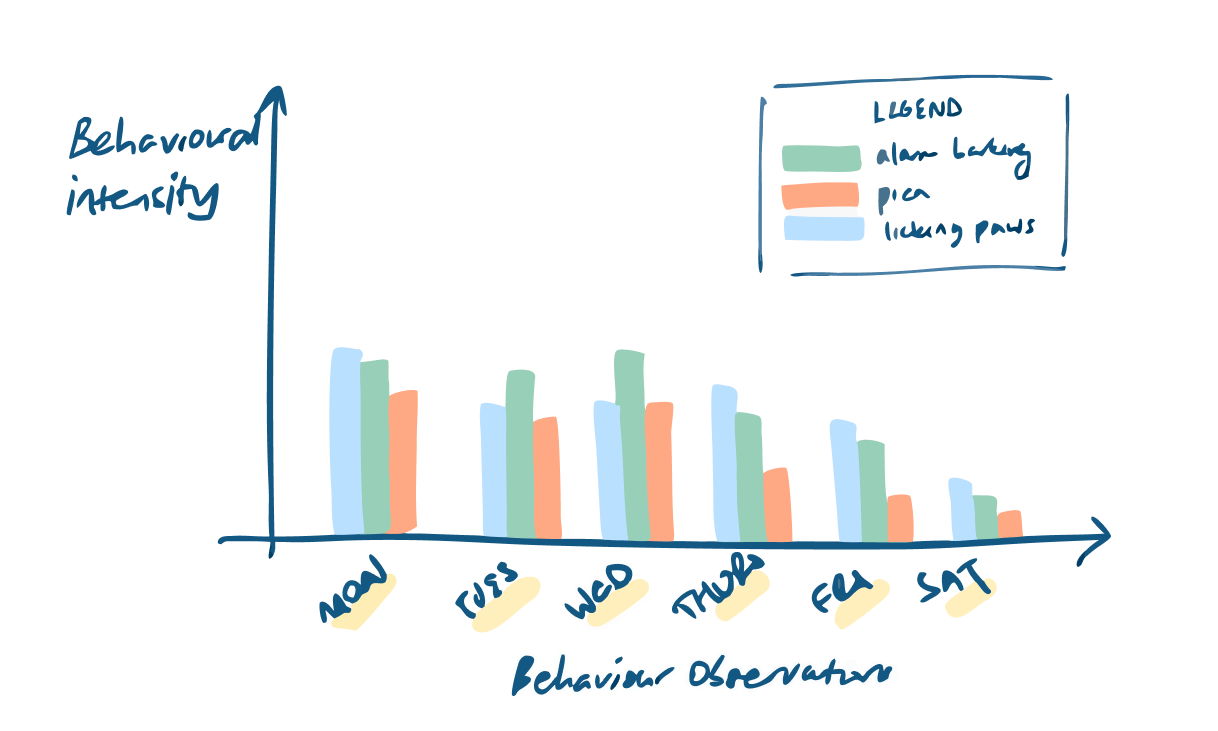
![Hand-drawn illustration of a bar chart showing tracked behaviour over one week. Higher on Monday and Tuesday, decreasing toward Saturday and Sunday. Legend includes green for alarm leading, orange for pre, and blue for licking paws.]()
5. Ongoing Monitoring
Behaviour support is an iterative process. We’ll track observations, tweak strategies, and ensure progress is sustainable for both you and your dog.
Testimonials
-
![Golden retriever with closed eyes being petted on the head inside a room.]()
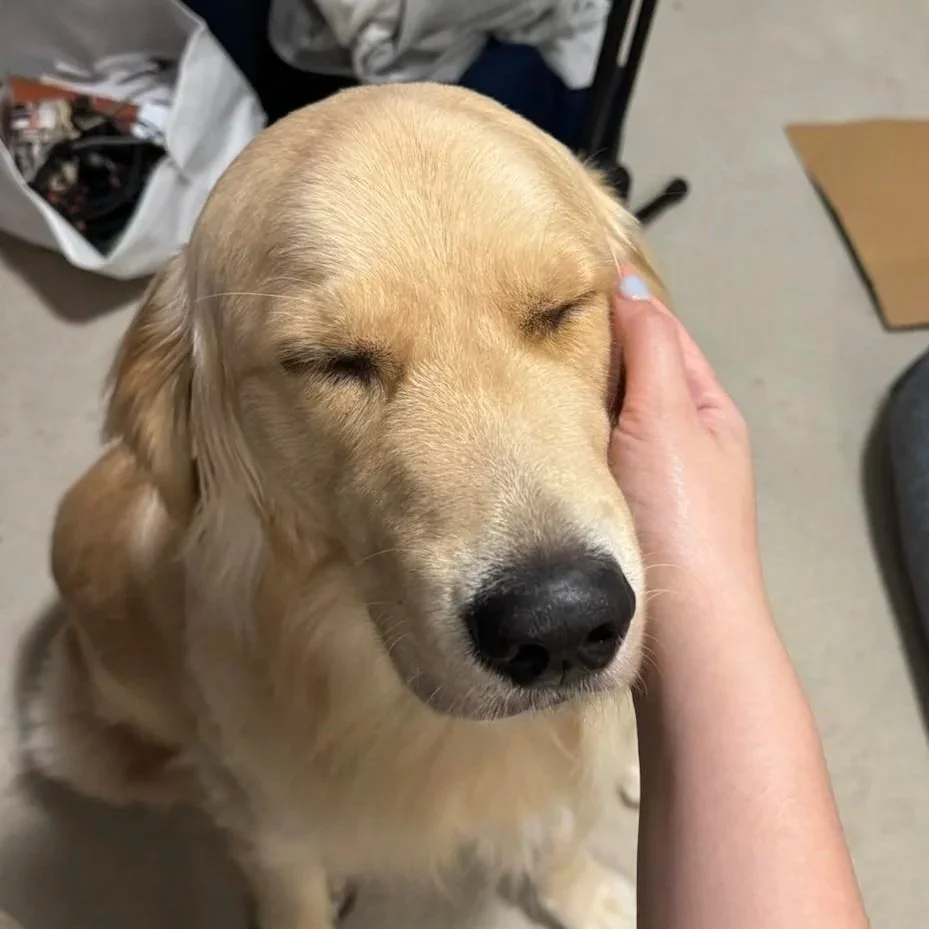
"Our experience with Rose has been nothing but positive. If it were not for Rose's keen eyes in observing Kare's behaviour, we wouldn't have discovered Kare's hip dysplasia. Understanding how to communicate with Kare is a life changing experience.”
— Kare’s Pawrents
-
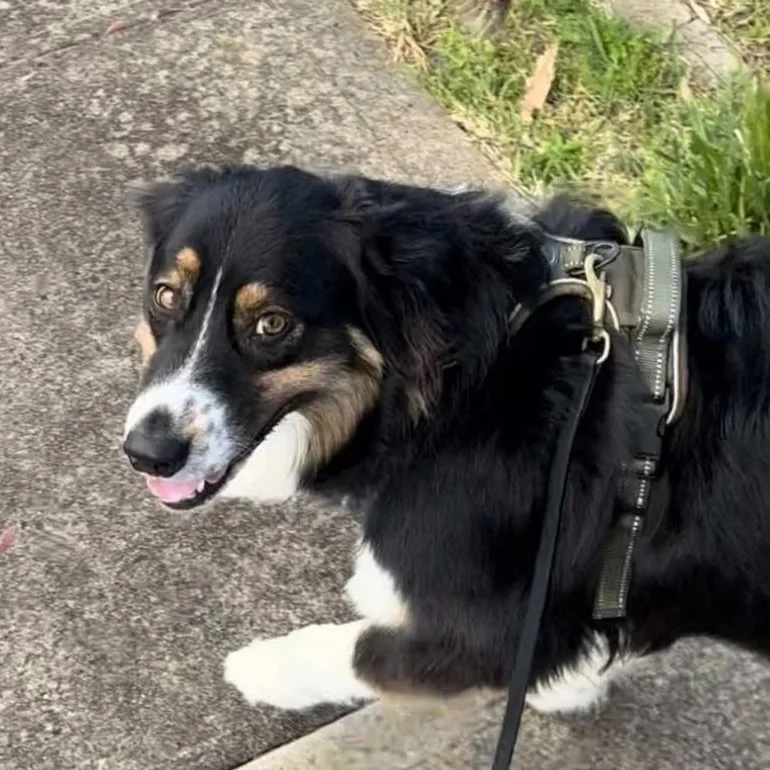
![A black, white, and tan Australian Shepherd dog standing on a sidewalk with a harness, looking upward with a happy expression.]()
"Rose is a great communicator and made us feel very comfortable in our sessions with her. She is probably one of the most observant and gentle trainers I've worked with.”
— Miso’s Pawrent
-
![Small dog with a white coat and brown markings, standing on a tiled floor, looking up at the camera.]()
"Working with Rose has been exceptional. Rose's approach is rooted in empathy and communication, she has taught us actionable tools and techniques to apply day-to-day.”
— Mundi’s Pawrents
-
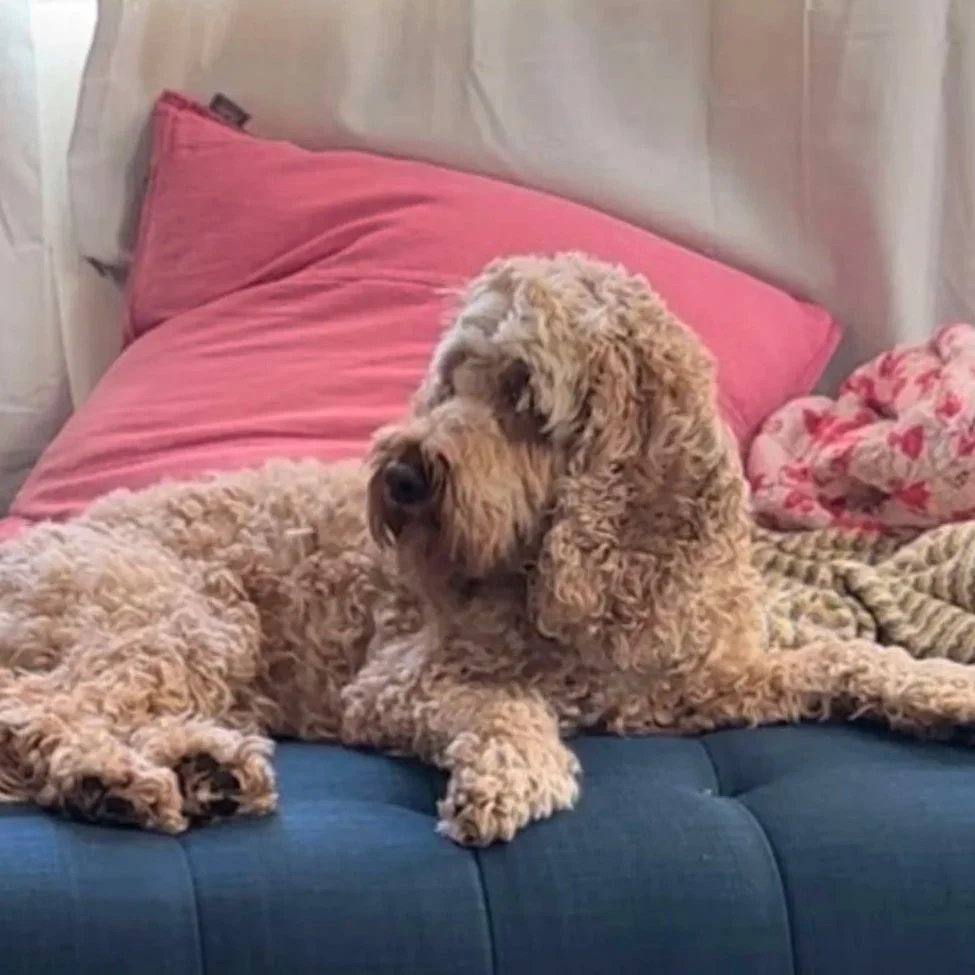
![A beige curly-haired dog resting on a navy blue couch with pink pillows in a room with cream curtains and a floral blanket, and a patterned rug in front.]()
"Rose is an amazing and patient behaviourist with a vast knowledge and understanding of dog behaviour. We've seen behaviourists before and feel she's by far the most attuned and flexible.”
— Louis and Coco’s Pawrents
-
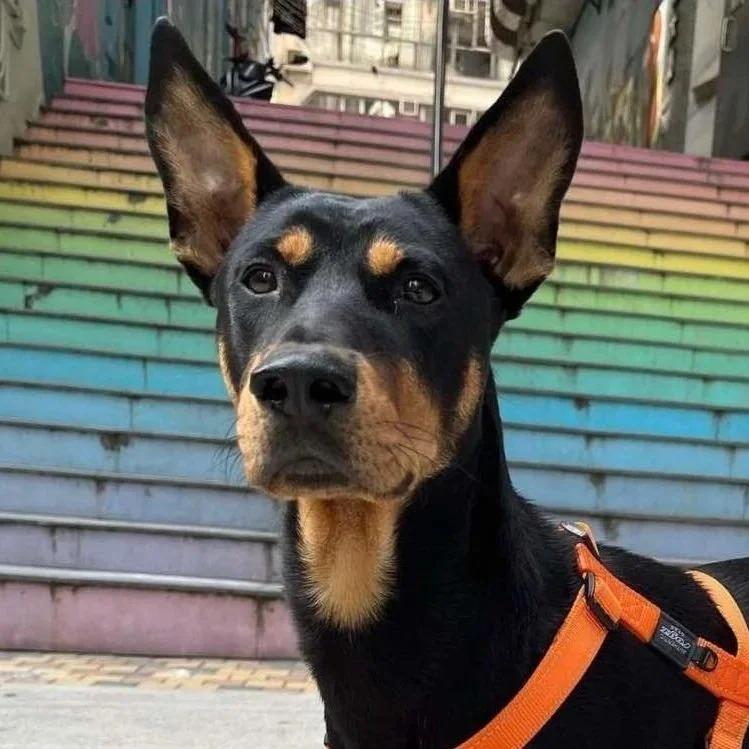
![A black and tan dog, possibly a Doberman or similar breed, standing in front of colorful rainbow stairs, wearing an orange harness]()
"With her professional knowledge, compassionate guidance and thorough analysis, we discovered the source of Roku's pain smoothly via virtual sessions.
Rose is one of the few professionals I trust 100% with handling Roku.”
— Roku’s Pawrents
-
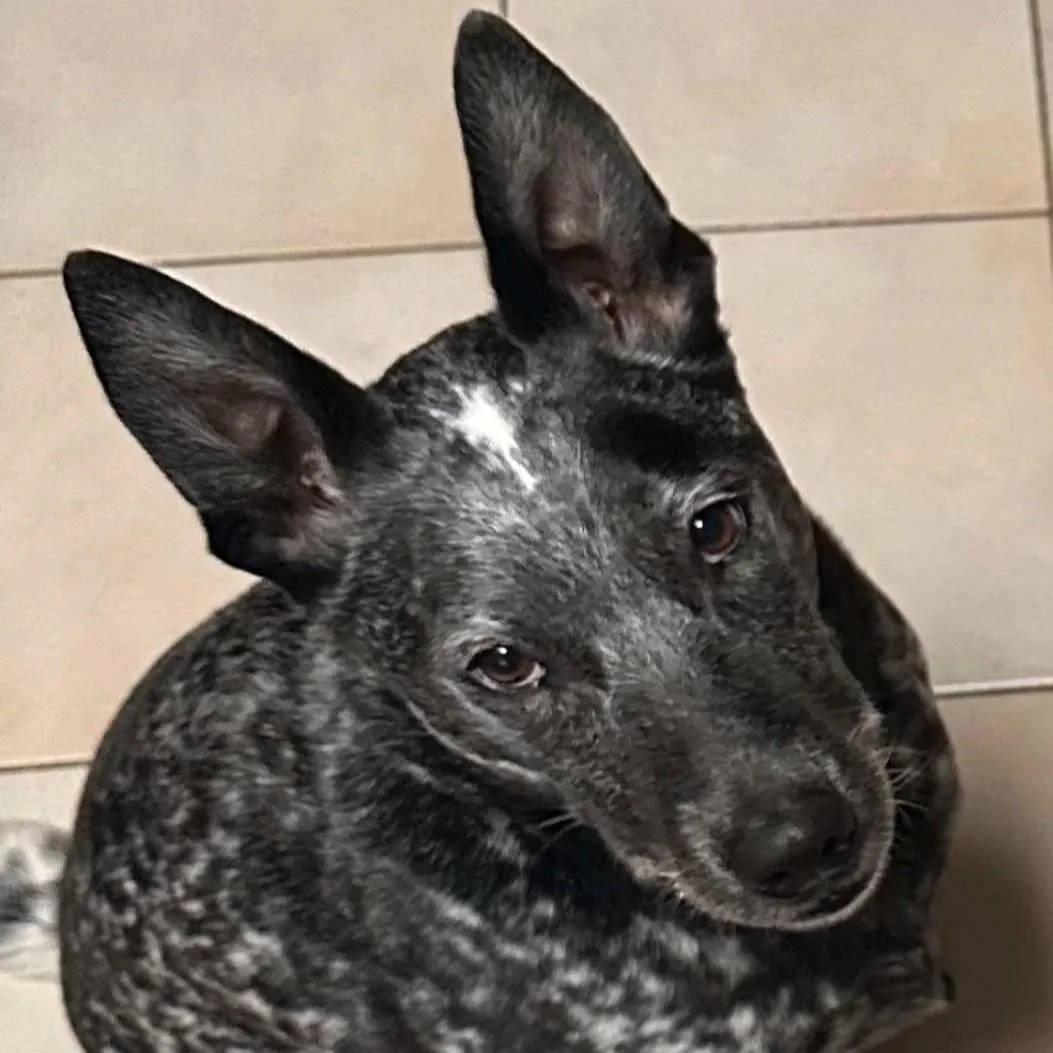
![A black and gray speckled dog with large ears looking up at the camera, sitting on a tiled floor.]()
"Rose is so much more to us than a dog behaviourist. She understands the complexities of owning complicated canines and the impact that has on pet parents.”
— Gordon and Midge’s Pawrents

Testimonials
-
![Golden retriever with closed eyes being petted on the head inside a room.]()
"Our experience with Rose has been nothing but positive. If it were not for Rose's keen eyes in observing Kare's behaviour, we wouldn't have discovered Kare's hip dysplasia. Understanding how to communicate with Kare is a life changing experience.”
— Kare’s Pawrents
-
![A black, white, and tan Australian Shepherd dog standing on a sidewalk with a harness, looking upward with a happy expression.]()
"Rose is a great communicator and made us feel very comfortable in our sessions with her. She is probably one of the most observant and gentle trainers I've worked with.”
— Miso’s Pawrent
-
![Dog co-operative care]()
“You have saved my dog. Charli has changed from a human aggressive dog to a non aggressive dog becuase you have taught us better and taught me to read her better. The training has amazed me. I love being guided by you and to see how far Charli can go.”
— Charli’s Pawrent
-
![Small dog with a white coat and brown markings, standing on a tiled floor, looking up at the camera.]()
"Working with Rose has been exceptional. Rose's approach is rooted in empathy and communication, she has taught us actionable tools and techniques to apply day-to-day.”
— Mundi’s Pawrents
-
![A beige curly-haired dog resting on a navy blue couch with pink pillows in a room with cream curtains and a floral blanket, and a patterned rug in front.]()
"Rose is an amazing and patient behaviourist with a vast knowledge and understanding of dog behaviour. We've seen behaviourists before and feel she's by far the most attuned and flexible.”
— Louis and Coco’s Pawrents
-
![A black and tan dog, possibly a Doberman or similar breed, standing in front of colorful rainbow stairs, wearing an orange harness]()
"With her professional knowledge, compassionate guidance and thorough analysis, we discovered the source of Roku's pain smoothly via virtual sessions.
Rose is one of the few professionals I trust 100% with handling Roku.”
— Roku’s Pawrents
-
![A black and gray speckled dog with large ears looking up at the camera, sitting on a tiled floor.]()
"Rose is so much more to us than a dog behaviourist. She understands the complexities of owning complicated canines and the impact that has on pet parents.”
— Gordon and Midge’s Pawrents
Follow my socials for more!




@rosek9behaviourist